Tooth sensitivity, also known as dentin hypersensitivity, is a common dental condition characterized by pain or discomfort in the teeth when exposed to certain triggers such as hot, cold, sweet, or acidic foods and beverages. This sensitivity can range from mild to severe, often interfering with daily activities like eating and drinking. Understanding the causes of tooth sensitivity and exploring effective treatments can help alleviate discomfort and prevent further issues.
Causes of Tooth Sensitivity
The primary cause of tooth sensitivity is the exposure of dentin, the inner layer of the tooth. Dentin contains microscopic tubules that connect to the tooth’s nerve. When the enamel (the tooth’s protective outer layer) wears away or gums recede, these tubules become exposed. This allows external stimuli, such as temperature changes or sugary foods, to reach the nerve, causing pain.
Here are the most common causes of tooth sensitivity:
- Enamel Erosion
Acidic foods and beverages (e.g., citrus or soda), aggressive brushing, or teeth grinding can wear away enamel over time, exposing the underlying dentin. - Gum Recession
When gums recede due to gum disease, improper brushing habits, or aging, the tooth roots, which lack enamel, are exposed, leading to sensitivity. - Teeth Grinding (Bruxism)
Stress or misaligned teeth can lead to clenching or grinding, which erodes enamel and causes sensitivity. - Cavities or Cracked Teeth
Dental decay or cracks in teeth can expose the dentin, resulting in sharp pain when consuming hot, cold, or sweet foods. - Whitening Treatments
Teeth-whitening procedures can temporarily irritate the dentin, leading to short-term sensitivity. - Dental Procedures
Recent dental treatments such as fillings, crowns, or professional cleanings may cause temporary sensitivity while the tooth heals.
Managing and Treating Tooth Sensitivity
Effective management of tooth sensitivity involves addressing its underlying causes and adopting preventive measures. Here are some recommended actions:
- Use a Soft-Bristled Toothbrush
Hard-bristled toothbrushes can irritate gums and wear down enamel. Switching to a soft-bristled toothbrush helps prevent further damage. - Desensitizing Toothpaste
Special toothpastes for sensitive teeth contain compounds that block nerve pathways, reducing sensitivity over time. Regular use can provide significant relief. - Avoid Acidic Foods and Drinks
Acidic substances such as citrus fruits, tomatoes, and soda can erode enamel. Limiting these foods can help protect your teeth. - Fluoride Treatments
Dentists at https://melwooddental.com may recommend fluoride applications to strengthen enamel and reduce sensitivity by covering exposed dentin. - Mouthguards for Teeth Grinding
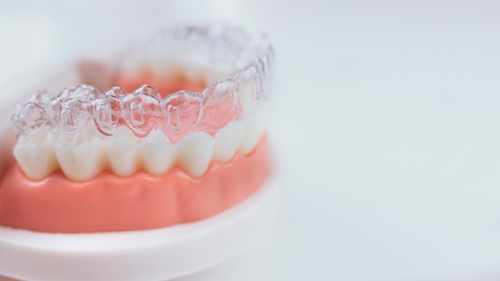
Custom-fitted mouthguards can protect teeth from damage caused by grinding, particularly during sleep. - Proper Brushing Techniques
Brushing too hard or using improper techniques can harm gums and enamel. Brush gently in circular motions to prevent further damage. - Professional Dental Care
For sensitivity caused by cavities, cracks, or gum disease, dentists may recommend treatments such as fillings, crowns, or gum therapy to alleviate discomfort and restore oral health.
Conclusion
While tooth sensitivity is manageable, identifying and addressing its root cause is essential for effective treatment. If you experience persistent or severe sensitivity, consult your dentist. They can diagnose the issue and recommend the best course of action to protect your teeth and restore comfort. With proper care, you can maintain healthy teeth and continue enjoying your favorite foods and drinks without discomfort.